

Breast Cancer and the solo-entrepreneur: What will you face; what will change; will you lose clients?
The Beginning
You know how it starts..you ignored that funny lump because 1. theres no cancer in the family 2. it hurt and cancer doesn’t hurt and 3. well, the mammogram was negative..Well, of course you didn’t tell them the whole truth either, you didn’t tell them you had a small worry on that funny spot when asked if you had any concerns.
Over the next few months, I am going to share the experiences, the worries, the results, the side effects of chemo, the drugs, the radiation and the things they seem to never tell you…or they things like, wow, that hasn’t happened this soon. So I will tell you.
Therefore, feel free to follow me on this journey of breast cancers and recovery..The joys, the prayers, the friends, what you need to ask for, how to make it through and not think you are going to die! I will be blogging once or twice a week. Connect with me at linda@theidentityadvocate.com or call me at 310-831-4400
The journey begins…..Linda
Do You Have An Identity Theft Protection Service This Holiday Season?
 The holidays are a busy time. While you’re running from store to store finding the perfect gifts and shopping online to get the best deals, each transaction puts you at higher risk for identity theft.
The holidays are exciting for gift recipients just as much as they are for identity thieves. From everything like leveraging data breaches to using portable scanners to steal your money, identity thieves take advantage of every opportunity. You can prevent identity theft during the holidays (and year-round) to avoid false credit card charges and negative credit reports with an identity theft protection service.
Keep an Eye on Credit Card Statements
You’re likely to use your debit and credit cards a lot more during the holiday season. While you may be busy, don’t forget to take a few minutes out of your day to examine your statements and online activity reports. Set alerts on your accounts for large transactions, too. That way, if a large amount is charged or withdrawn, you’re alerted right away. Contact your financial institution the moment you notice an unauthorized charge.
Don’t Use Your Debit Card
Never use a debit card for purchases online or in-store. Checks and debit cards draw funds directly from your bank account. If an identity thief gets these numbers, they can use them to withdraw cash and even drain your bank accounts. It’s easier to report and reverse fraudulent charges with credit cards than it is with your bank account. And, of course, using an identity theft service is the best way to protect you from identity thieves during the holidays.
Use Credit Monitoring
There are a lot of free credit monitoring services that keep an eye on your balances, credit activity, and credit score. Sites like CreditKarma.com are totally free and allow you to view your credit report monthly. You can set alerts on these types of monitoring sites so that you’re notified the moment a new account, inquiry, or charge is made.
Be a Perceptive Online Shopper
It’s often easier to shop online than in-store, especially if you’re hunting for bargains. But don’t shop with any online retailer. Only use those with SSL certificates and other security measures in place. You can tell if a website has an SSL certificate by viewing URL at the top of your browser. It should begin with HTTPS instead of HTTP. If you can, stick to the big name online retailers like Amazon or large store chains when shopping online.
What if Your Identity is Stolen?
Even the most cautious of consumers can have their identities stolen. When it happens to you, you better be safeguarded by an identity theft protection and recovery service like ID360. The process of recovering your identity can cost over $3,000 and take as many as 600 hours of your time. It’s definitely the last thing you want to deal with around the holidays. Hiring an identity theft protection service allows you to focus on celebrating while a team of former law enforcement professionals work for you to help recover your good name and, of course, your credit.
Learn more about how you can protect your identity or how to sign up for identity theft services by visiting The Identity Advocate today.
Why You Need An ID Theft Recovery Plan—Not Just ID Protection
 Identity theft cases are growing at a staggering rate in the United States. While a lot more consumers are becoming aware of the risks and enlisting help via identity protection, most ignore the importance of having an ID theft recovery plan as well. The cost to recover your identity averages over $3,000 and could take as many as 600 hours. The entire process is tedious, time-consuming, frustrating, and could easily bankrupt you if you already have a dire financial situation.
But recovering from identity theft doesn’t have to be so devastating. In conjunction with identity protection, identity theft recovery services help keep your life in order when you become a victim of identity theft.
How ID Theft Recovery Services Can Help
Identity theft recovery companies are experts at handling the loss of your information. They track down the point of origin to help you discover what credit accounts are fraudulent. Then they go to work helping you restore your credit profile. They handle your recovery from multiple types of identity theft, including:
- Medical identity theft
- Data breaches
- Bank and/or credit card identity theft
- Government identity theft (e.g., Social Security fraud, Medicare fraud, etc.)
- Employment identity theft
- Phone and/or utilities identity theft
- Every other type of identity theft you can imagine—and there are many!
Steps An ID Theft Recovery Service Takes
Identity recovery requires experts, such as law enforcement professionals, who understand the complicated process of ID theft recovery. While the steps they take depend on the extent of your identity theft case, some services include:
- An expert who resolves all inaccurate information that appears on your credit report and/or medical records due to fraudulent activity.
- A professional who contacts financial institutions and other credit providers, and then closes down those accounts to ensure no further charges occur.
- Helping you file a police report as well as a report with other government agencies to thoroughly document the fraud.
- Cleaning up any fraudulent tax returns that may have been filed on your behalf, and working closely with the IRS as well as your state tax commission to correct those errors.
While identity protection is your first line of defense against ID theft, when identity theft does happen, having a respected ID theft recovery plan is place is critical. ID360 provides identity theft recovery services that give you peace of mind. From negotiating with creditors, obtaining your credit reports, dealing with your bank, filing FTC reports, and assisting with correcting your medical records, the company ensures that you are able to return to the good credit you had before the identity theft occurred.
Get more identity theft protection and recovery advice from the experts at The Identity Advocate by visiting www.TheIdentityAdvocate.com or calling 310.831.4400.
Identity Theft and Medical Identity Theft: Why and How You’re at Risk
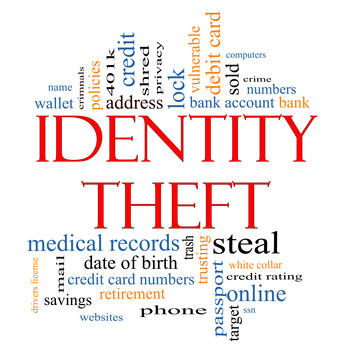 Identity theft, including medical identity theft, is a growing threat in the United States. Unfortunately, too many consumers, healthcare providers, and businesses of all types and sizes ignore this threat.
The latest statistics still show that one out of four consumers have their identity stolen, equating to about 11.6 million identity theft victims a year. It’s also estimated that some sort of data breach will affect one out of ten consumers, and one out of eight patients will become a victim of medical identity theft.
The cost of identity theft is devastating. Hackers and thieves buy Social Security numbers for just $1.00, but you’ll spend thousands of dollars and countless hours recovering your identity. On the other hand, a person’s medical identity averages just $50, but insurance companies and the patients affected could spend millions in recovery costs.
All It Takes is the Right Data
Identity thieves only need a few key items to steal an identity. A Social Security number, name, date of birth, and a driver’s license number can reveal everything a thief needs. Thanks to the Internet, identity thieves can go to work doing reverse lookups and other searches using the limited information they find, and then gather the other data they need to steal your identity.
Thieves have several outlets at their disposal to steal identities, including:
- Dumpster diving (or your own trash cans)
- Stealing mail
- Check washing
- Stealing wallets and purses
- Performing telephone and email scams
- Obtaining death records
It’s Not Just Professionals
Identity theft is not just perpetrated by professional thieves. In fact, relatives and friends of victims—and even healthcare workers—steal identities every day. Cyber thieves are the most common in data breaches and system hacks.
Everyone is at Risk for Identity Theft
While the elderly are common targets of identity theft, they’re certainly not the only people at risk. Elderly individuals are, however, at higher risk because most are not computer savvy, do not know how to check their credit reports, and are more trusting, which means they’re more likely to fall victim to scams.
The second most vulnerable group is children. Children have clean credit slates and most parents are not proactive at monitoring their child’s credit report. Parents can, however, sign up their children for CreditKarma.com to keep an eye on their credit profile. Also, parents should teach their children to never share personal information (including dates of birth and Social Security numbers) with people they don’t know.
The deceased are also at risk for identity theft. Sadly, thieves look for obituaries to find the information they need to steal the deceased person’s identity. Since most family members do not check the credit of their deceased loved ones, it can be years before the identity theft is ever noticed.
Veterans are also at risk. Because they leave the United States for extended periods, serving their country, thieves take advantage of the fact that they’re unlikely going to check their credit report.
Lastly, people who use social media unwisely are at risk for identity theft. This is because they publicly broadcast their personal information and leave it ripe for the taking by identity thieves.
Medical Identity Theft Cases Are on the Rise
While identity theft is a common occurrence, medical identity theft is growing quickly as well. It’s estimated that 5.8 percent of identity theft cases are medical identity theft crimes—and most arise from medical data breaches. But medical identity theft is also dangerous. It can result in not receiving the right type of treatment due to incorrect medical records, which can lead to adverse reactions and, worse, death.
Preventing Identity Theft
There are many steps you can take to protect yourself from identity theft. While there isn’t a 100 percent effective method to prevent it, these steps are proven to limit the likelihood of your identity being stolen in the future.
- Become a member of ID360, the only identity theft protection company that’s run by law enforcement and recovers your identity after it’s stolen.
- Shred everything that has your name, address, and personal information on it (including junk mail).
- Place a fraud alert with credit bureaus so that they scrutinize new credit accounts.
- Use a gel pen so that your checks and signatures cannot be washed.
- Never put your Social Security number on documents and do not carry your Social Security card with you.
- Review your credit reports annually and look for any unauthorized applications or accounts.
You must take your prevention steps even further to prevent medical identity theft:
- Always check your explanation of benefit documents you receive in the mail, and make sure the services you are charged for were actually received.
- Request and review an annual “benefits paid” statement from your insurance company.
- Keep copies of your own health records for reference.
- Never share your insurance card with anyone.
- Shred medical documents when they are no longer relevant.
- Do not take advantage of free medical care or surveys.
- Report a stolen insurance card immediately.
- Never throw away prescriptions with your name on it.
What to Do When Your Identity is Stolen
There are things you can do to lessen the impact identity theft and medical identity theft have on your life:
- Call 877-ID-Theft and speak to the FTC immediately.
- Call your local police department and file an official report.
- Put a fraud alert on your credit report with all three credit bureaus, and then freeze your credit so it can no longer be used.
- Get copies of all three credit reports.
- Cancel all credit cards in your name.
- Contact your bank and give them copies of your official reports, and freeze your checking and savings accounts.
For more information about how you can prevent identity theft and medical identity theft from happening to you, visit The Identity Advocate. You’ll learn all of the ways you can protect your identity and how to recover it when it’s stolen. You can also contact the identity theft experts at The Identity Advocate by calling 310.831.4400.
Do you know the 4 pieces of data not found in a background check thus helping employers prevent identity theft?
Are There Employee Criminal Background Check Laws?
Yes! They vary by state, but the Federal Fair Credit Reporting Act (FCRA) set national standards for performing an employee criminal background check. The law only applies to an employee criminal background check conducted by a consumer reporting agency, which is a firm that administers the employee criminal background check on your behalf. If you decide to perform an employee criminal background check in-house, make sure you follow your state’s background check laws carefully. Remember: Employees have rights, too!
According to the FCRA, some information cannot be reported in an employee criminal background check:
- Accounts in collection longer than seven years
- Paid tax liens beyond seven years
- Bankruptcies after ten years
- Arrest records, civil suits, and civil judgments after seven years
Linda Vincent, Founder of The Identity Advocate, is dedicated to helping consumers and businesses keep their identities safe. This article first appeared in the newsletter provided by The Identity Advocate.
The Right and Wrong Ways to Prevent Identity Theft
 Numerous data breaches have occurred over the past few years. From the Target data breach to electronic health records being tapped into, consumers are at risk for identity theft like never before. Unfortunately, most are completely unaware of it. Many even assume that credit monitoring is enough to protect themselves from identity theft.
In fact, Target and other companies tried to calm the waters by offering free credit monitoring to identity theft victims after the attacks. But this is just a Band-Aid on the problem—and mostly a public relations ploy. Credit monitoring doesn’t provide even close to adequate protection. If you’re only relying on credit monitoring as a ways to prevent identity theft, you’ve given yourself a false sense of security. It’s scary, but true.
The Facts
It is estimated that over 4.6 million California residents have been affected by healthcare data breaches since 2009. Nationally, it is estimated that over 32 million U.S. residents have been affected. In July of 2014, an IRS worker was charged with identity theft, and contributed to over $1.2 million in fraudulent charges using information he obtained while working for the IRS. It’s said that 39 percent of data breach victims will have to deal with identity theft at some point. That means spending an average of 600 hours to recover their identity. With the growing number of data breaches occurring in the U.S., it’s time to take steps to protect yourself and your family.
Why Credit Monitoring Is Not Enough
Credit monitoring works just like it sounds: it just monitors. It doesn’t take action or provide ways to prevent identity theft from occurring. In fact, it only notifies you once identity theft has been discovered. After it happens, credit monitoring can’t help you recover from any type of identity theft.
Credit monitoring is only effective when someone uses your information to apply for a new bank account, credit card, or other account. But it doesn’t do anything to protect you during a data breach. When a data breach happens, the thieves have all of your personal information—including your credit card data—they can use to make expensive purchases. Your credit monitoring will never see the actual charges. And most credit monitoring services only monitor credit bureau reports, which means they could take weeks to find out fraud has occurred in the first place. It’s an ineffective system, to say the least.
The Right Ways to Prevent Identity Theft
Fortunately, there’s one identity theft protection company that offers a full-service product. It not only educates you in all the ways to monitor your credit and identity, but also provides law enforcement grade, fully managed recovery of your identity. It allows you to continue living your life instead of spending countless hours trying to fix it yourself.
Very few identity theft protection companies offer these turnkey services. By signing up with a service that does, you can:
- Have peace of mind in knowing your identity is fully protected—not just monitored
- Know what is on your credit report and public records the second they are posted
- Save out-of-pocket costs on recovering your identity when the theft occurs
- Have access to identity theft experts 24/7
- Ensure your identity is restored to pre-theft status
The Identity Advocate works exclusively with an identity theft protection company known as ID360. The comprehensive service provides numerous ways to prevent identity theft, and is unlike any other on the market. To learn more about ID360 and see how it protects your identity, visit The Identity Advocate for a special offer today. You simply can’t risk becoming yet another victim of a data breach and the resulting theft. Remember: it’s not a matter of if. It’s when.
Beware of Racketeers Making Big Money on Patient Records – by Art Gross, President of HIPAA Secure Now

Armed robbery and drug trafficking are no longer the only crimes of choice for gangs. Instead of a gun, their newest weapon of choice is a mobile phone with Internet access. Now more sophisticated gang members are targeting medical practices and using their smart phones to steal patient records.
This is part of an organized crime ring that’s netting offenders up to $50,000 a night in stolen identities and false tax return filings.
It’s not uncommon for the friend of a gang member to infiltrate a medical practice, gain access to EHRs, download patient information and hand it over to the offender. That person will book a hotel room, set up a “team” and a cell phone bank, submit false tax returns online and generate huge profits in one night.
Florida is hotbed for this activity and it’s spreading across the country. In California, narcotics investigators took down a methamphetamine ring and confiscated 4,500 patient records. Investigators believe the stolen information was being used to obtain prescription drugs to make the illicit drug.
Stolen patient information will not only bring big Health Insurance Portability and Accountability Act (HIPAA) fines for data breaches; the additional direct and indirect expense of a breach can be financially catastrophic. But now there is a strong financial incentive to steal patient information – one lost or stolen patient record is valued at $50 on the black market.
Protect your practice. Medical practices need to realize they are vulnerable to security break-ins and should take steps to reduce their risk of stolen electronic protected health information by performing a risk assessment and identifying potential “leaks.” Here are the steps that organizations should take to protect this information
- Inventory patient information: Capture an inventory of where patient information is stored, accessed or transmitted. Most people think of an EHR as their only source of patient records but patient information can be in a Microsoft Word document in the form of patient letters, or Excel spreadsheets as billing reports or scanned images of Insurance Explanation of Benefits. These documents could be on desktops or laptops. Patient information could also be in emails or text messages in smartphones or tablets.
- Assess current security measures: A security risk assessment looks at how patient information is currently protected. How often does the practice perform data backups? Is there a termination procedure? Do employees have the minimum level of access to patient information? Are all portable devices secured and protected?
- Evaluate common threats to patient information: Physical risks, the likelihood of a threat and the impact of the threat if it occurs must also assessed. In addition to employees pilfering patient records, how are practices protecting information in the case of fire or flood, lost or stolen laptops containing patient information, sending emails to the wrong patient, to name a few. If the practice has patient information stored on laptops and physicians frequently take them out of the office and that information is not properly protected it may result in a large HIPAA fine – high risk with a high impact.
- Recommend additional security: A security risk assessment will identify additional security measures to prevent the likelihood of a threat and its impact. For example, limit who can take laptops out of the office, or ensure that they’re safely locked in a secured cabinet.
A thorough security risk assessment can help a medical practice identify the additional security or procedures needed to help lower the risk of common threats.
Art Gross is president and CEO of HIPAA Secure Now!
Is Your Kid Safe? How to Prevent Child Identity Theft
 A child’s Social Security number and identity can be stolen just as easily as an adult’s. Thieves use their SSNs to open up bank accounts, apply for government benefits, and even rent a place to live. As a parent, it’s important that you are proactive in not only protecting your own identity, but the identity of your children, too.
Recent research has shown that over 10.2 percent of children in the United States have had their identity stolen. Therefore, it is imperative that parents take precautions to protect their kids’ identities. Child identity theft results in:
- A poor credit score
- Higher interest rates and more difficulty being approved for loans/credit in the future
- Medical identity theft when medical records show they are using medications that identity thieves are actually taking
- Difficulty fixing errors, especially when they are years (or even decades) old
How to Spot Child Identity Theft
There are many ways to find out if your child’s identity has been stolen. If you notice these red flags, take action immediately. Some signs your child’s identity has been used fraudulently include, but are not limited to:
- Your child begins receiving pre-approved credit card notices or financial offers in the mail
- Your child already has a bank account open in his/her name
- A child’s application for a bank account is denied because of poor credit
- A credit report is already opened for your minor child
Risks For Child Identity Theft
Children are at high risk for identity theft because thieves thrive on the fact that most parents are not proactive at checking up on or protecting their child’s identity. Also, children are required to submit their Social Security number to physicians and even schools, which means there are multiple records with their personal information out there.
How to Prevent Identity Theft For Your Child
While there is no 100 percent guarantee you can protect your child’s identity, there are things you can do to limit the chances that they become a victim of identity theft in the future. Some things you can do to prevent child identity theft include:
- Sign up for an identity theft protection plan with a company like ID360, the only one that offers fully managed law enforcement grade recovery. ID360 will save you the extensive time and hassle it takes to contact the FTC, credit bureaus, banks, and other entities to begin the recovery process—leaving you free to live your life.
- Limit the availability of your child’s Social Security number. Be mindful of who asks for it, ask why it is being required, and how it is stored. For example, what happens to your child’s Social Security number after you provide it to a recreation center?
- Always keep your child’s personal documents safe, which includes prescription information, birth certificates, Social Security cards, and more.
- Check your child’s credit report annually to ensure that his or her Social Security number is not being used fraudulently.
- Be aware of family members and family friends who could steal your child’s identity. It sounds unconscionable, but there are countless examples of child identity theft occurring by people who are close to the family. For example, family members with poor credit history may see your child’s perfect credit as an easy way to get back on their feet.
To learn more about how you can avoid child identity theft, visit the identity theft prevention experts at The Identity Advocate. By taking steps to protect your child’s identity, you can ensure they have a long, healthy credit history.
Related Articles:
Fight Back! Stop Healthcare Fraud and Abuse From Happening to You!
You trust in your physician to take care of you. You trust them to prescribe medications, diagnose symptoms when you’re sick, and help you maintain a healthy lifestyle. But is your physician doing something else—something nefarious—that you don’t know about? He or she could be committing healthcare fraud—at your expense!
 Healthcare fraud and abuse is on the rise in the United States. From physicians billing for services you don’t receive to performing unnecessary procedures, healthcare fraud and abuse takes a serious toll on your health and insurance. While most physicians do it to pad their revenue, these false claims, medical orders, and prescriptions put your life at risk.
Billing Schemes
Physician billing schemes are one of the most common types of healthcare fraud and abuse. He or she will bill your health insurance for services that were never provided and collect reimbursements for those services. This can occur in many ways, from a chiropractor billing your insurance for five visits when you only visited twice, to a physician charging you for expensive medications (like those used to treat kidney disease, cancer, or HIV) that you don’t need or didn’t receive.
Physicians have also been known to offer in-house CT machines and bill your insurance for scans that were never scheduled, let alone performed. Or a physician may perform a procedure to add a stent you don’t really need just to be able to bill your insurance and collect a claim. All of these extra charges and expensive services can impact both your insurance premiums and your health. The list of offenses goes on and on.
Upcoding For Higher Claim Amounts
Upcoding is another common form of healthcare fraud and abuse. This is a process where the physician charges for a higher service than what was actually performed. For example, you visit your physician for a routine office visit, which has its own code and reimbursement amount. However, your physician charges your insurance for an extended office visit, which costs more. According to recent statistics, making a simple code change like this could increase a physician’s revenue by $70,000. While his or income is increasing, yours is declining as you watch your insurance premiums steadily rise.
How to Fight Healthcare Fraud and Abuse
As frightening as all of this is, you can take steps to protect yourself:
- Review your billing statements and explanation of benefits (EOB) from your insurance provider. Verify that the charges made by your physician coincide with services, medications, and equipment you actually received. If you are confused, or feel you did not receive services, call the physician immediately!
- Annually request all treatment paid for by your insurance carrier. Compare them to your EOBs. If you find discrepancies, notify your carrier immediately.
- Request receipts when you pay at your physician’s office, as well as a receipt of all services performed.
- If you choose to pay cash for a service, watch for an EOB that the provider also charged your insurance provider.
Despite all you do to fight back against healthcare fraud and abuse, 10 to 30 percent of all medical patients fall victim. Get extra protection by hiring a fraud and abuse expert that specializes in safeguarding you from the consequences of these types of physician practices. Whatever you do, be proactive to prevent it from happening to you.
Make the Right Move
Consider signing up for an identity theft protection plan with a company like ID360, the only one managed by law enforcement that also restores your identity back to pre-theft status after it’s stolen. You can also discover helpful resources over at The Identity Advocate, and contact an experienced investigator to learn more about resolving healthcare fraud and identity theft. Fight back!
Related Articles:
Prevent Identity Theft With an Employee Criminal Background Check
Do you know how easy it is to infiltrate, expose, and compromise any type of health care agency? Identity theft can easily happen right under your nose, so the best defense is a good offense. Know your rights and know how you can protect your business by performing an employee criminal background check for prospective employees during the hiring process. Unfortunately, as crime statistics for identity theft continue to soar, an employee criminal background check is more important than ever before for corporations and physician’s offices of any size.
Any employee can be a potential thief, so an employee criminal background check should be conducted on every new hire, whether it is a full time in home caregiver or a temporary /transitional caregiver. As the aging baby boomers discover it is better to have in-home care, and now economy continues to recover, more agencies are hiring more employees, it’s important to know the “do’s and don’ts” of an employee criminal background check. An employee criminal background check ensures that you are protected from identity theft predators or opportunistic criminals masquerading as enthusiastic job applicants. There are many things to consider when performing an employee criminal background check, including the components, laws, and processes necessary to ensure a new employee can be trusted with sensitive information.
What’s Included in an Employee Criminal Background Check?
Every employee background check also includes a thorough employee criminal background check. Some of the information is public and some is private, but all of the information is important in assessing a job applicant. Although the type of information checked varies from state to state and county to county, an employee criminal background check can include:
- Credit, driving, criminal, education, medical, drug test, court, military, and bankruptcy records
- Social Security Number
- Vehicle registration
- Property ownership
- Past employment
- Professional and personal references
All of this information is invaluable, but one aspect that is often overlooked is the credit report. A poor credit rating makes the average applicant a higher risk for identity theft. Additionally, research shows that one in four disputes over information on an employee criminal background check is connected to identity theft issues, so take every precaution to thoroughly evaluate every prospective employee’s credit and criminal records.
Are There Employee Criminal Background Check Laws?
Yes! They vary by state, but the Federal Fair Credit Reporting Act (FCRA) set national standards for performing an employee criminal background check. The law only applies to an employee criminal background check conducted by a consumer reporting agency, which is a firm that administers the employee criminal background check on your behalf. If you decide to perform an employee criminal background check in-house, make sure you follow your state’s background check laws carefully. Remember: Employees have rights, too!
According to the FCRA, some information cannot be reported in an employee criminal background check:
- Accounts in collection longer than seven years
- Paid tax liens beyond seven years
- Bankruptcies after ten years
- Arrest records, civil suits, and civil judgments after seven years
Employee Criminal Background Check: An Overview
Follow this employee criminal background check “cheat sheet” to safeguard your company from identity thieves and potential criminals in the workplace:
- Who: Every employee!
- What: A comprehensive employee criminal background check that abides by all applicable laws
- When: Before an employee is hired
- Why: To protect your business and your employees!
- How: Either in-house or by a consumer reporting agency
If you have questions or need assistance performing an employee criminal background check, don’t hesitate to the contact the experts! It can save your business from disaster. Contact Linda Vincent at 310-831-4400 or connect with her at linda@theidentityadvocate.com